under-construction
+ info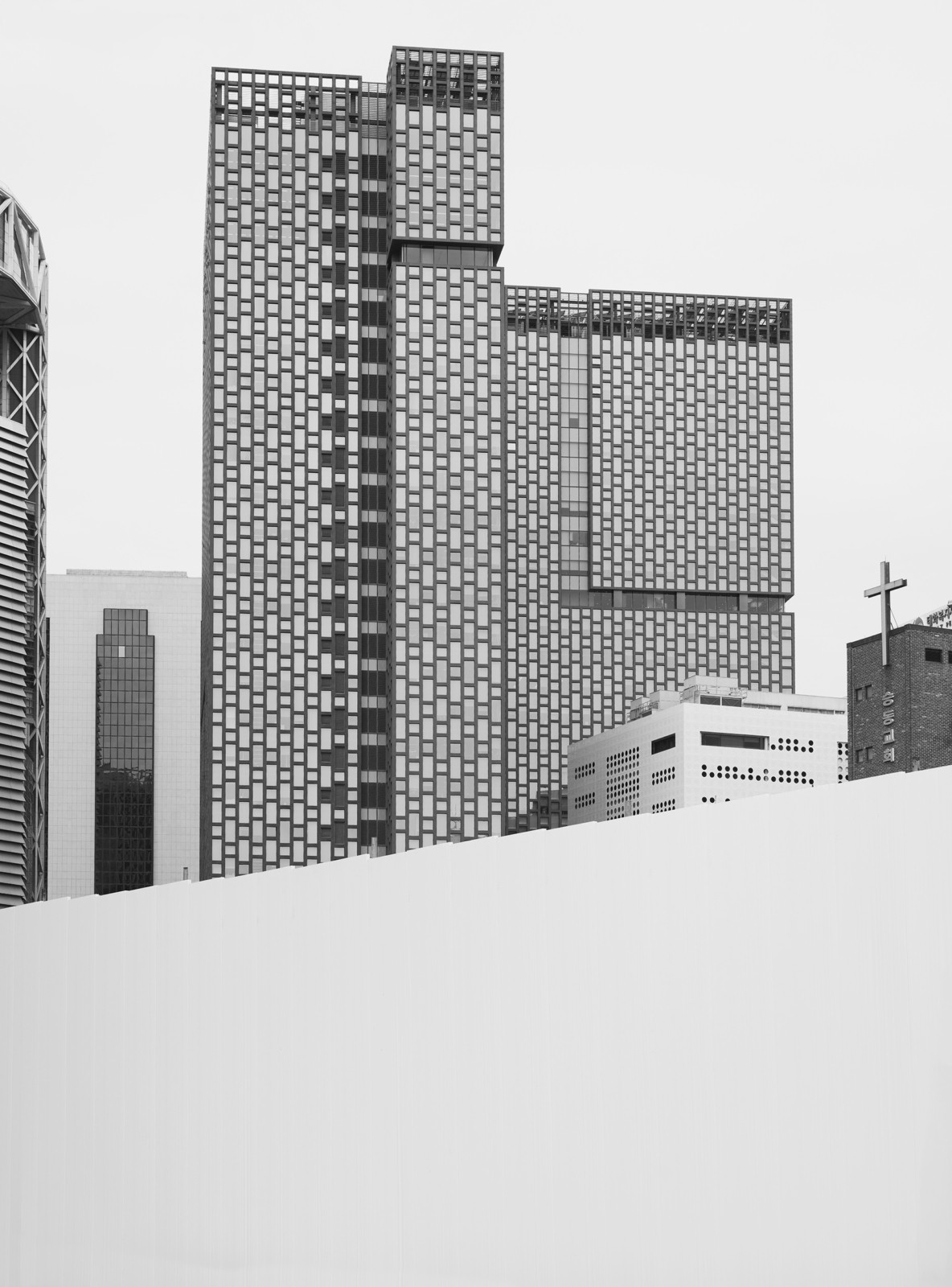
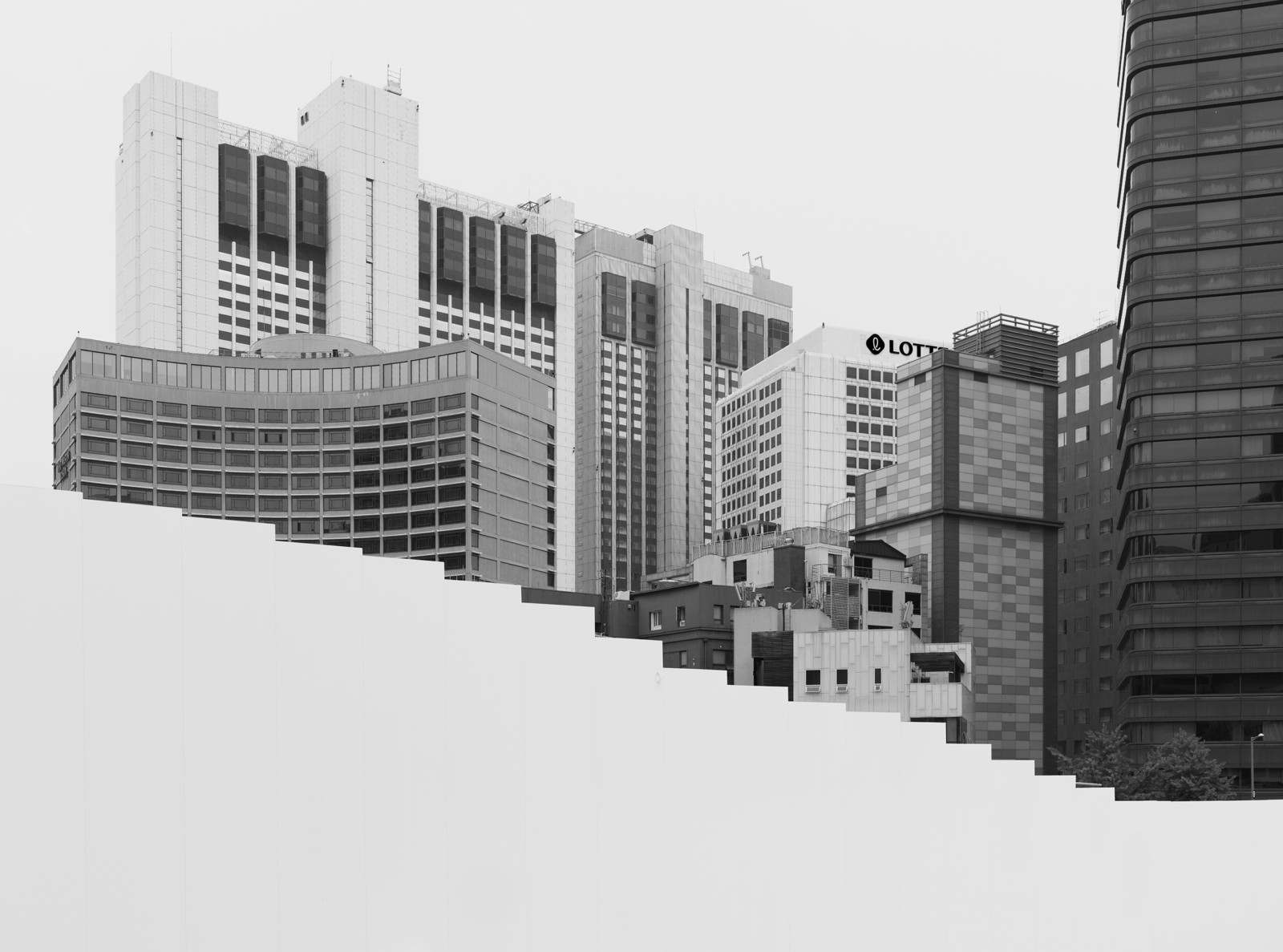
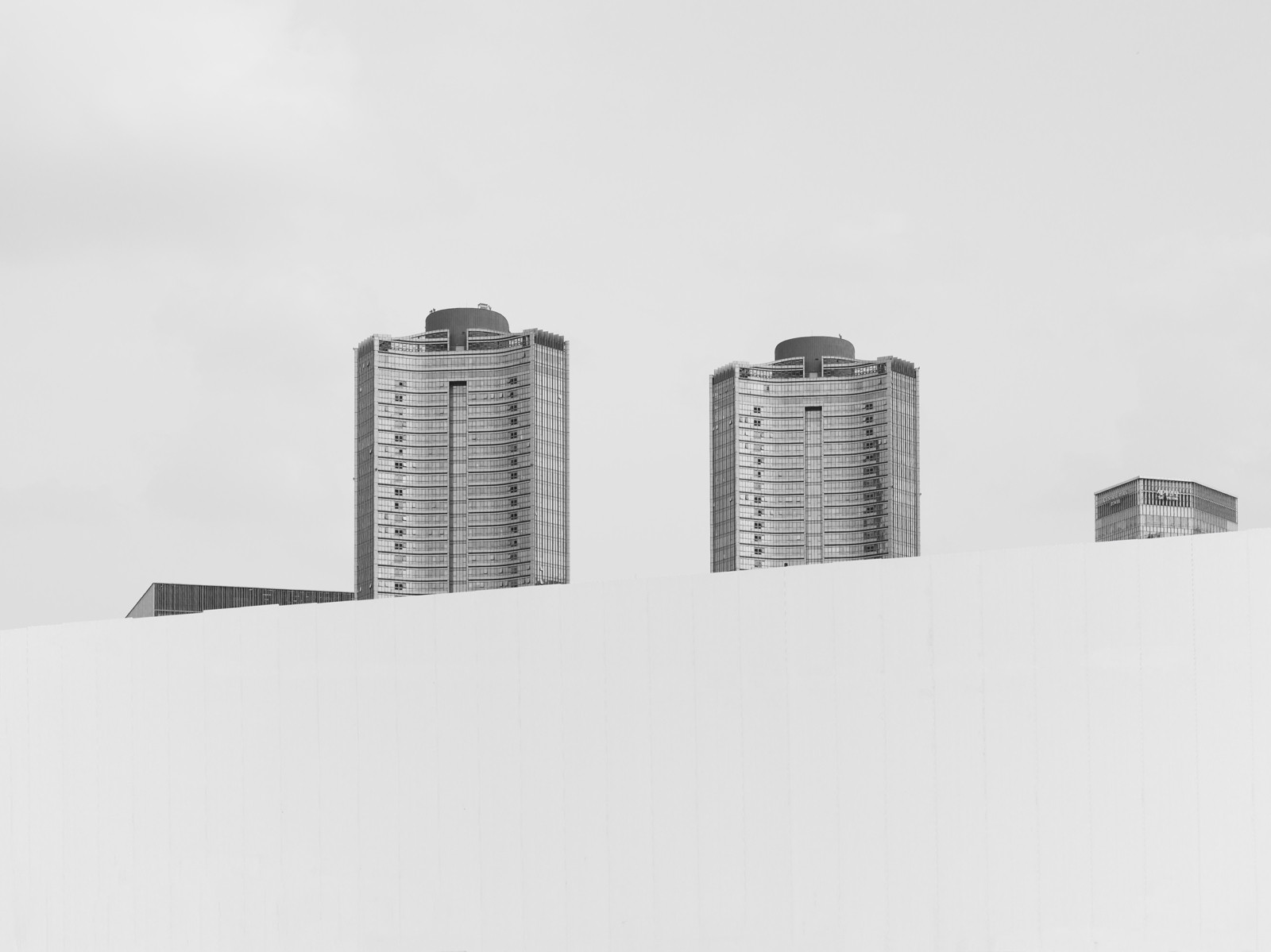
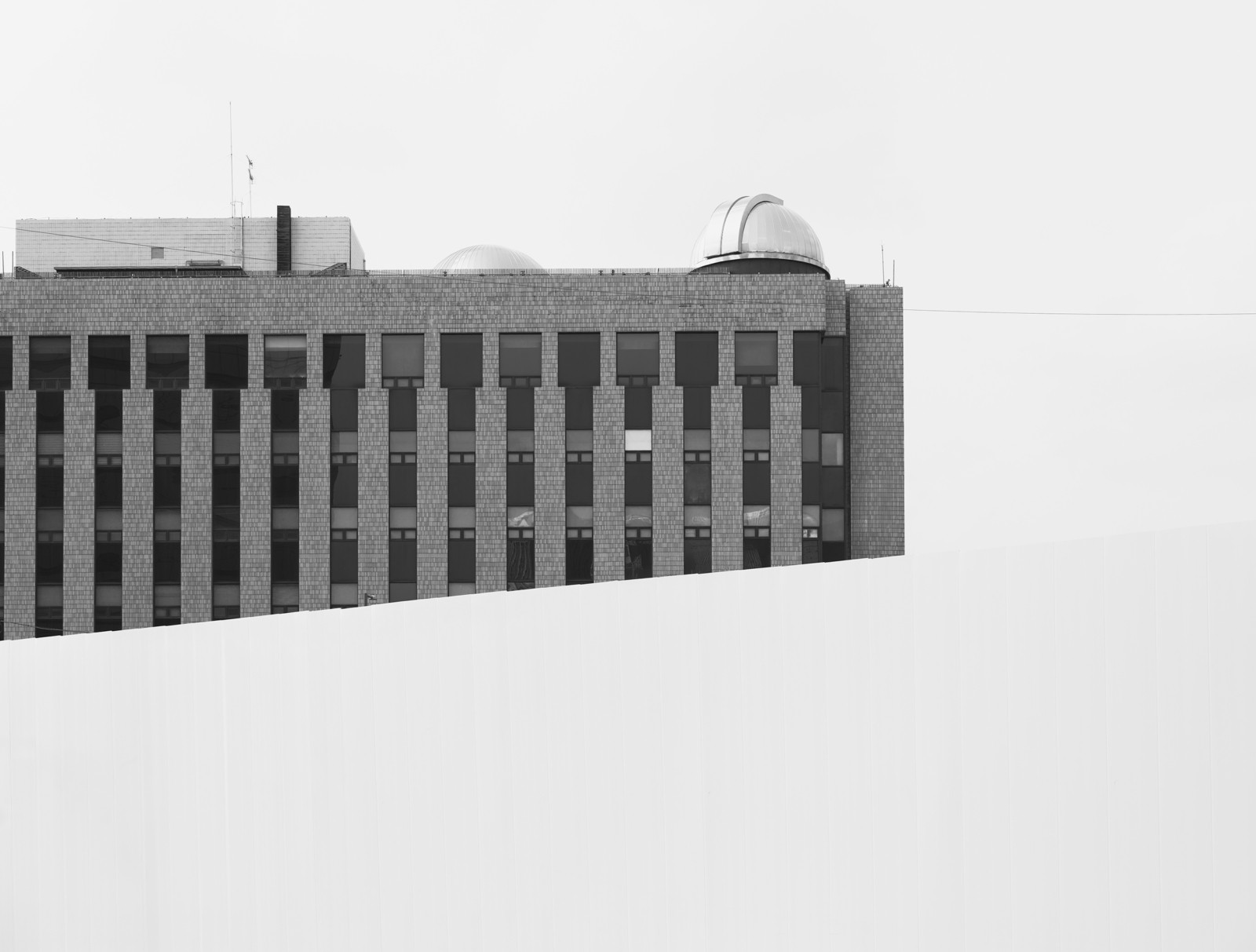
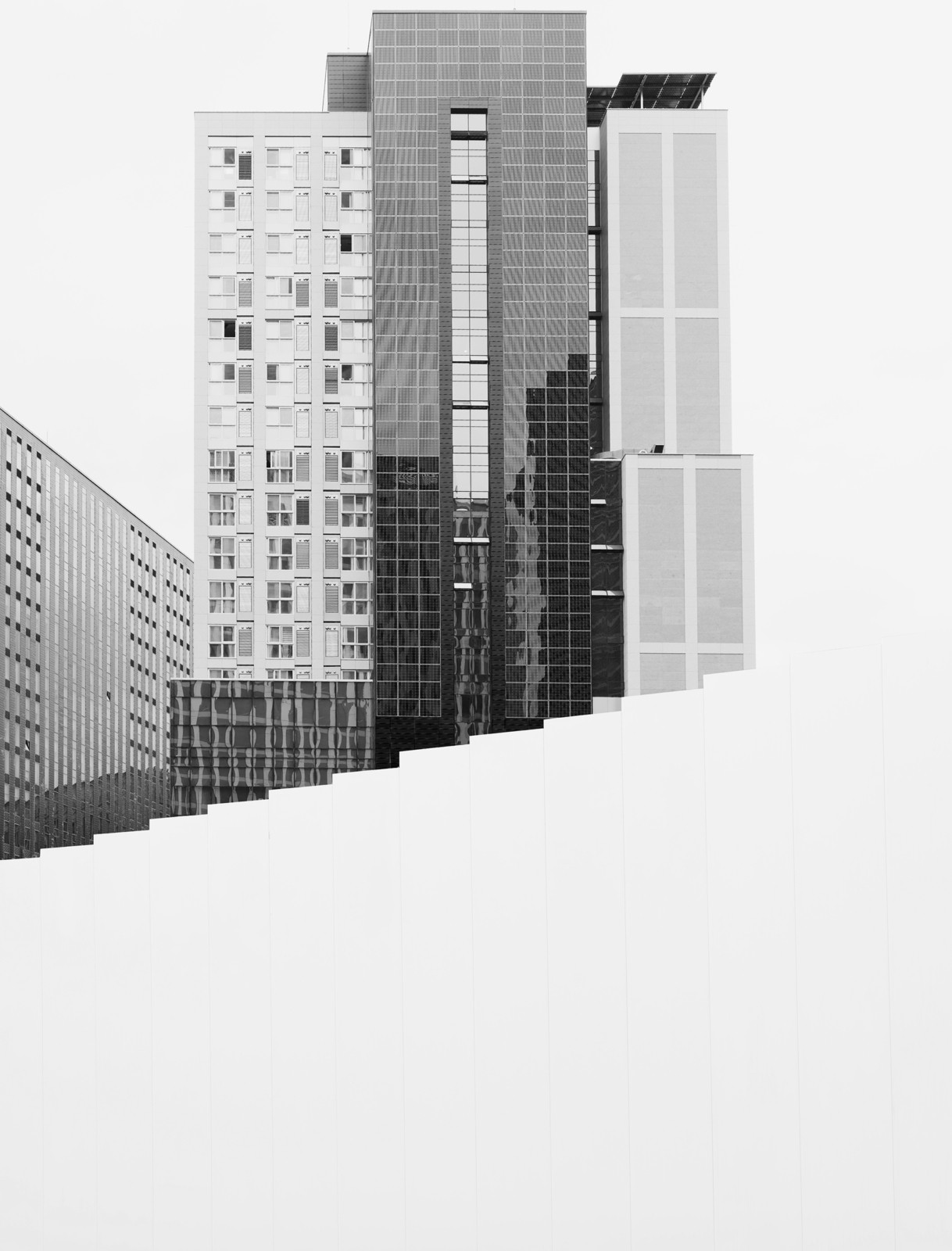
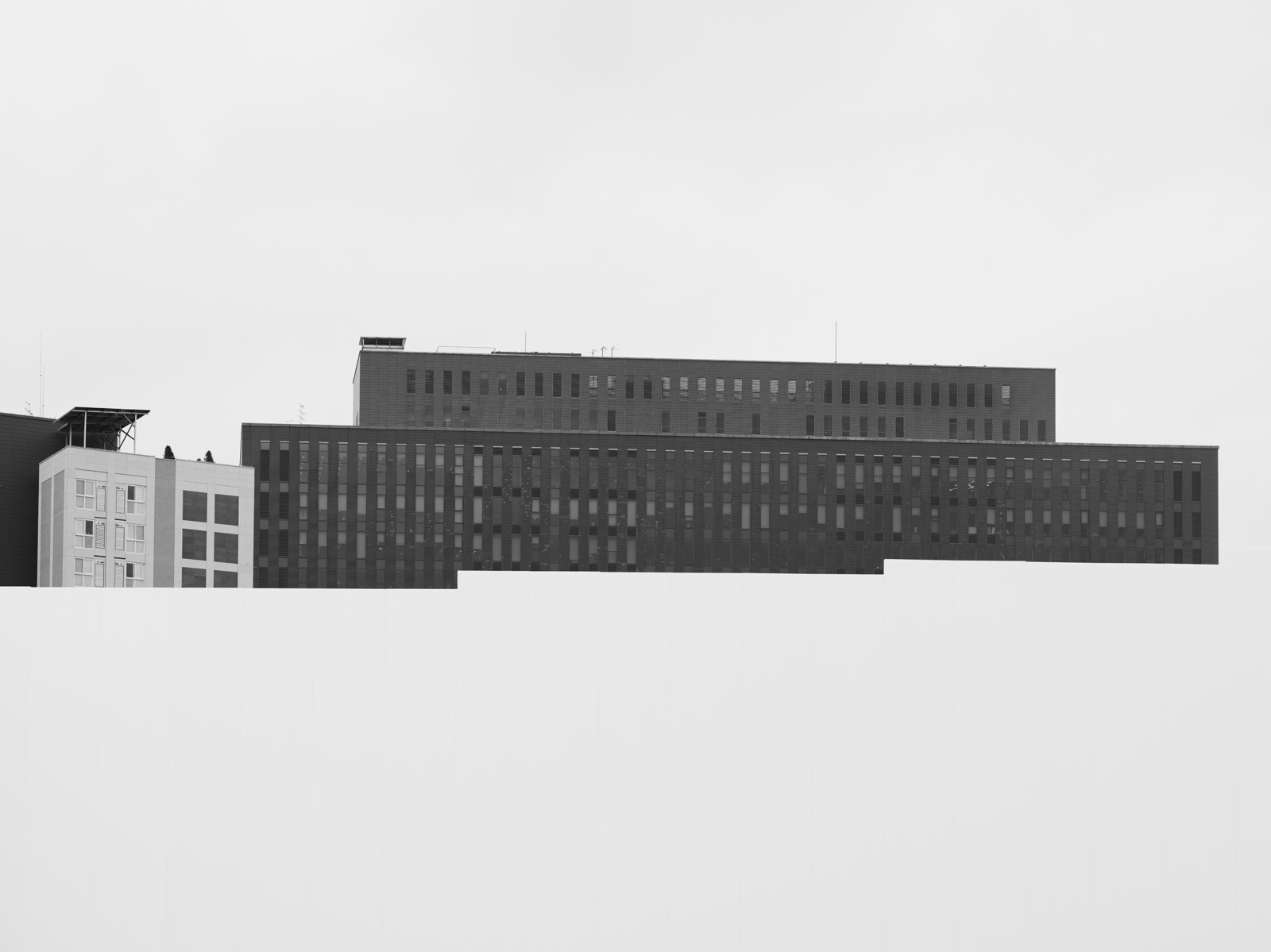
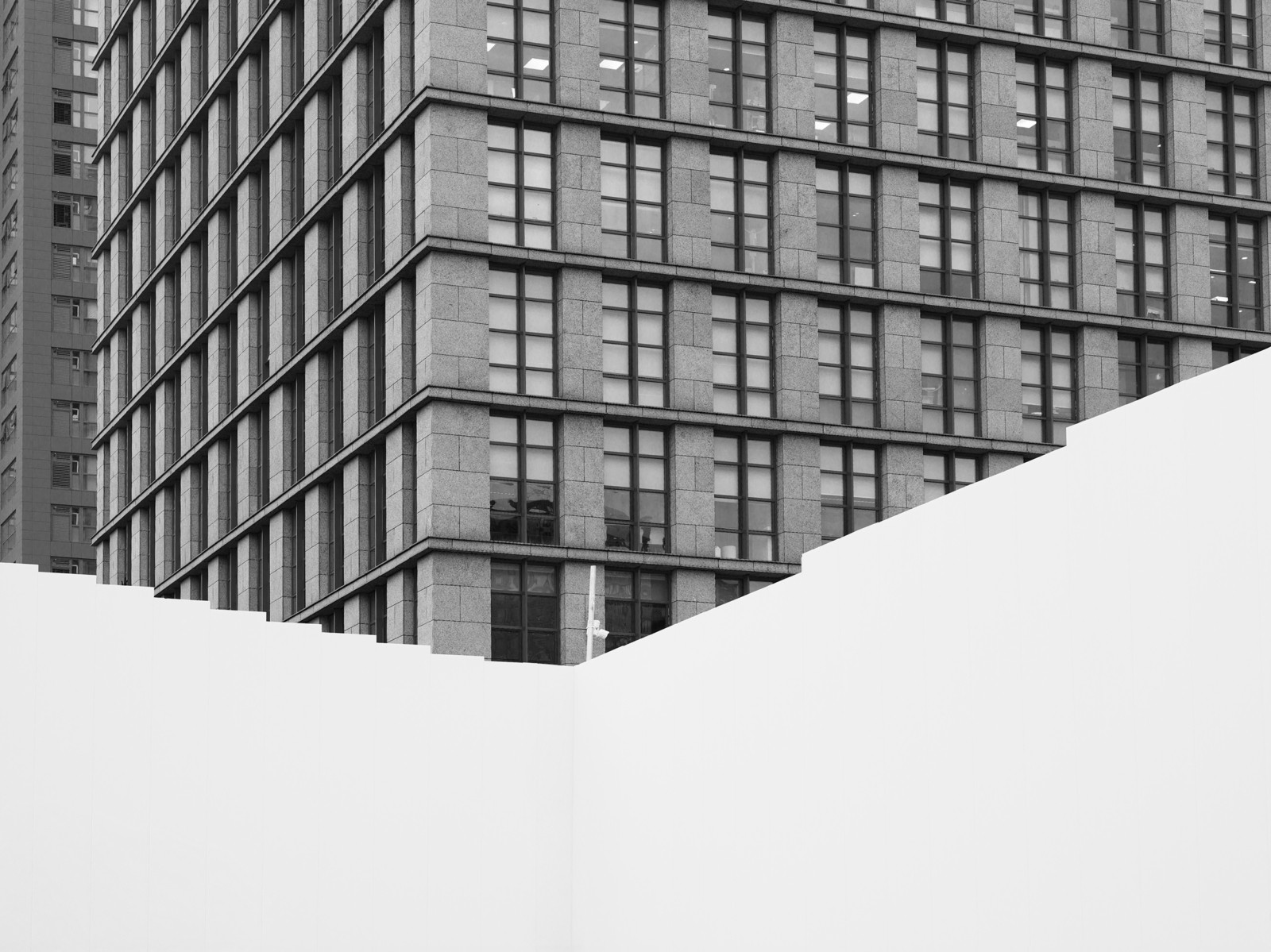
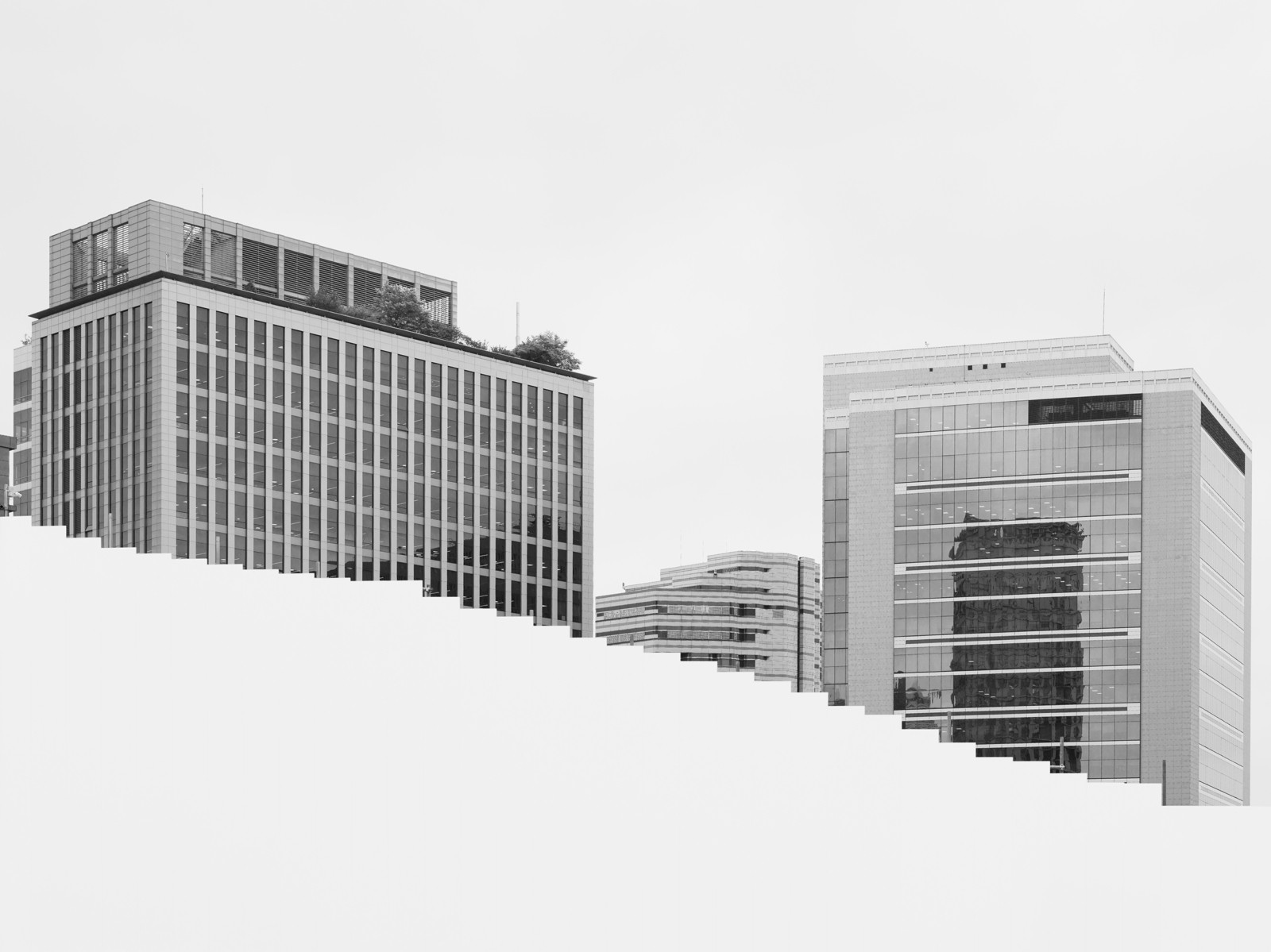
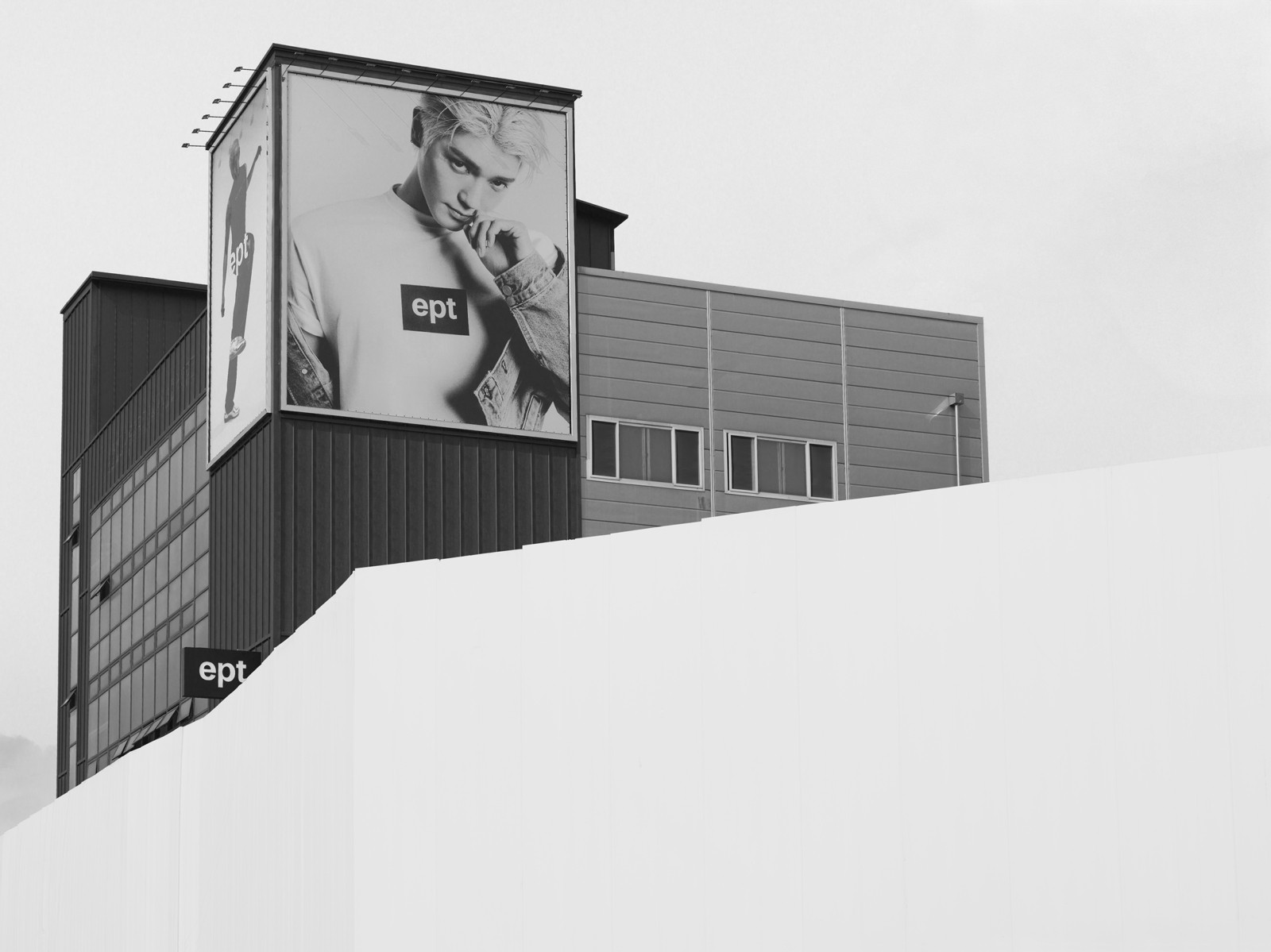
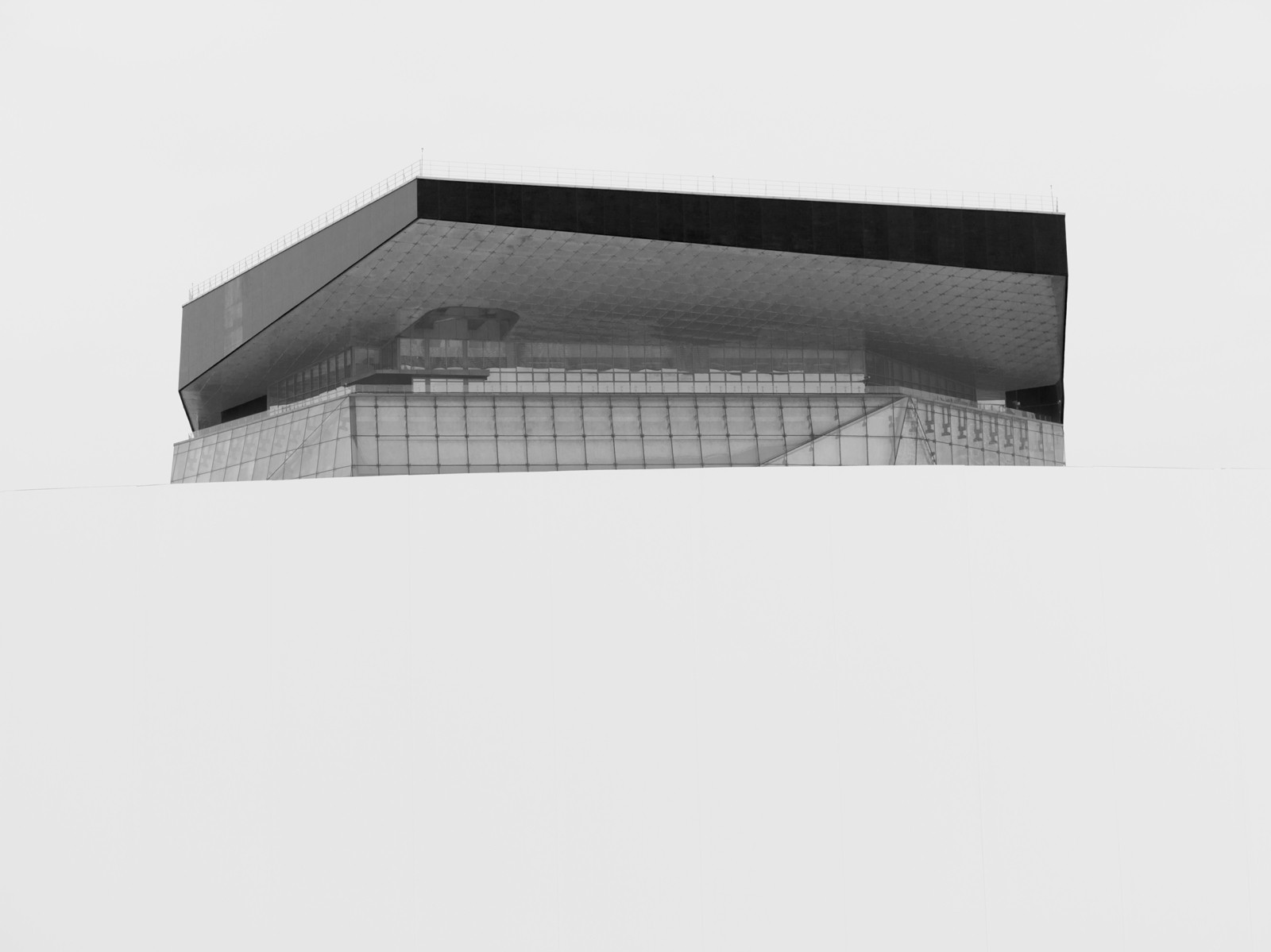
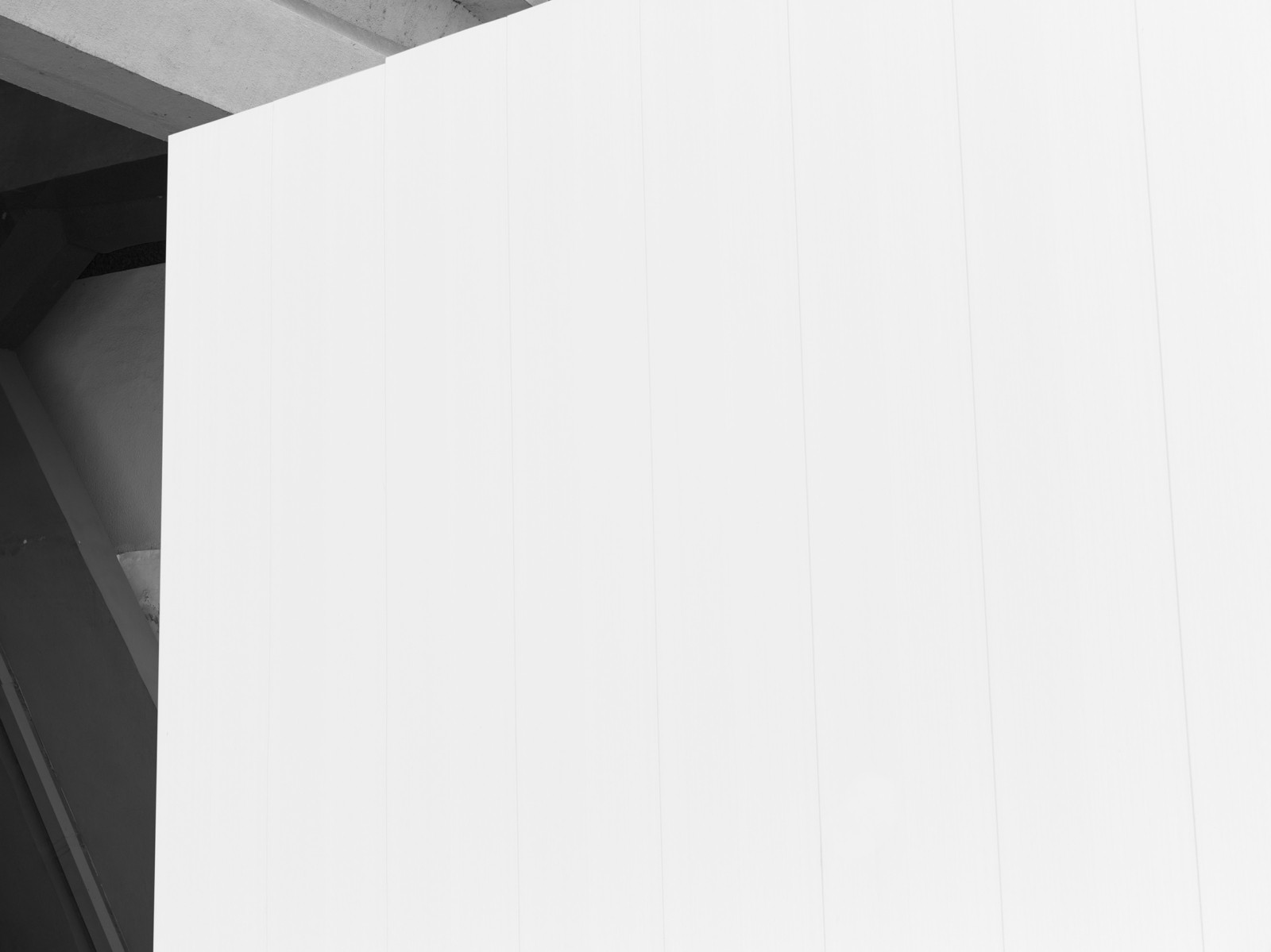
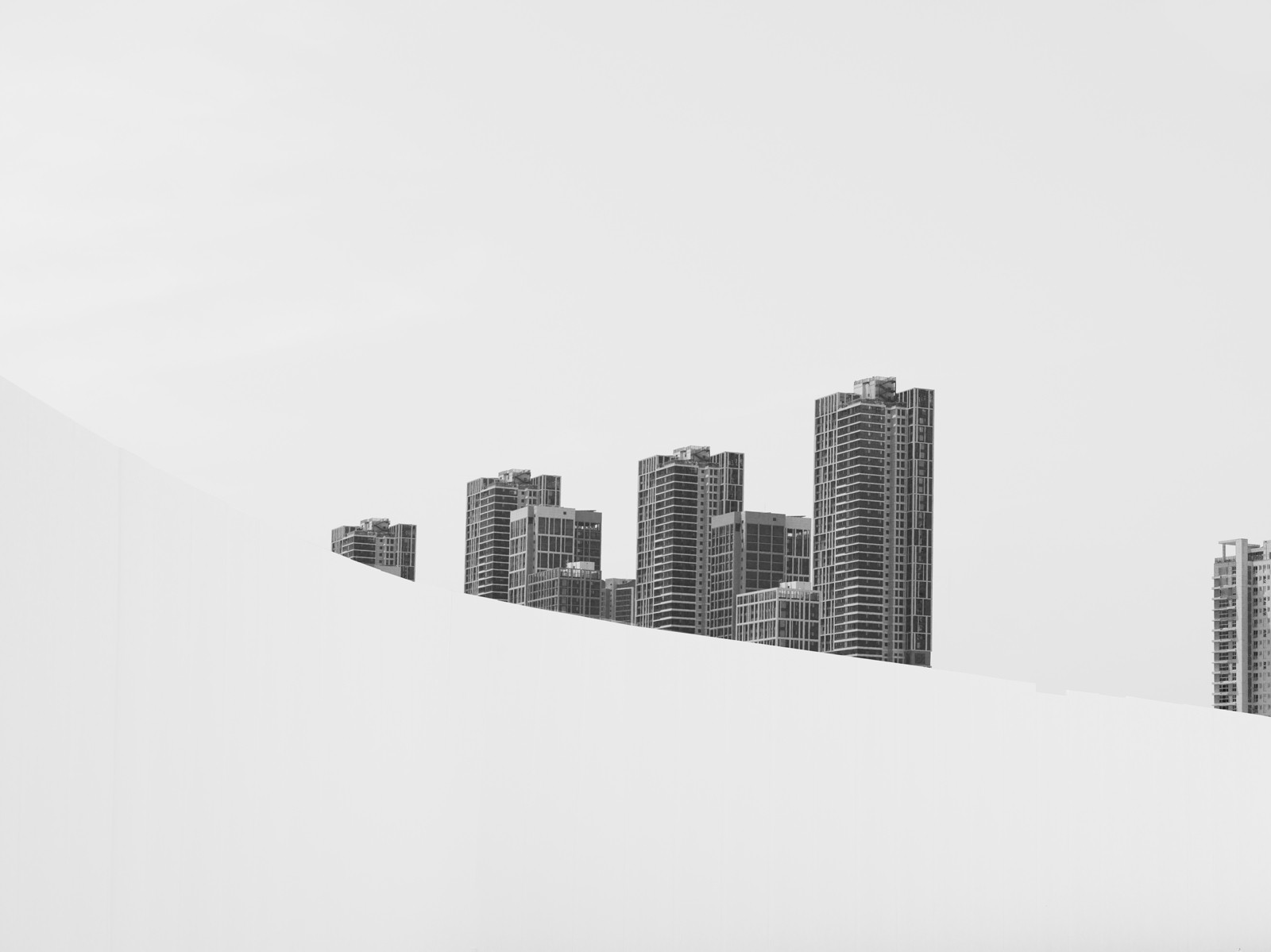
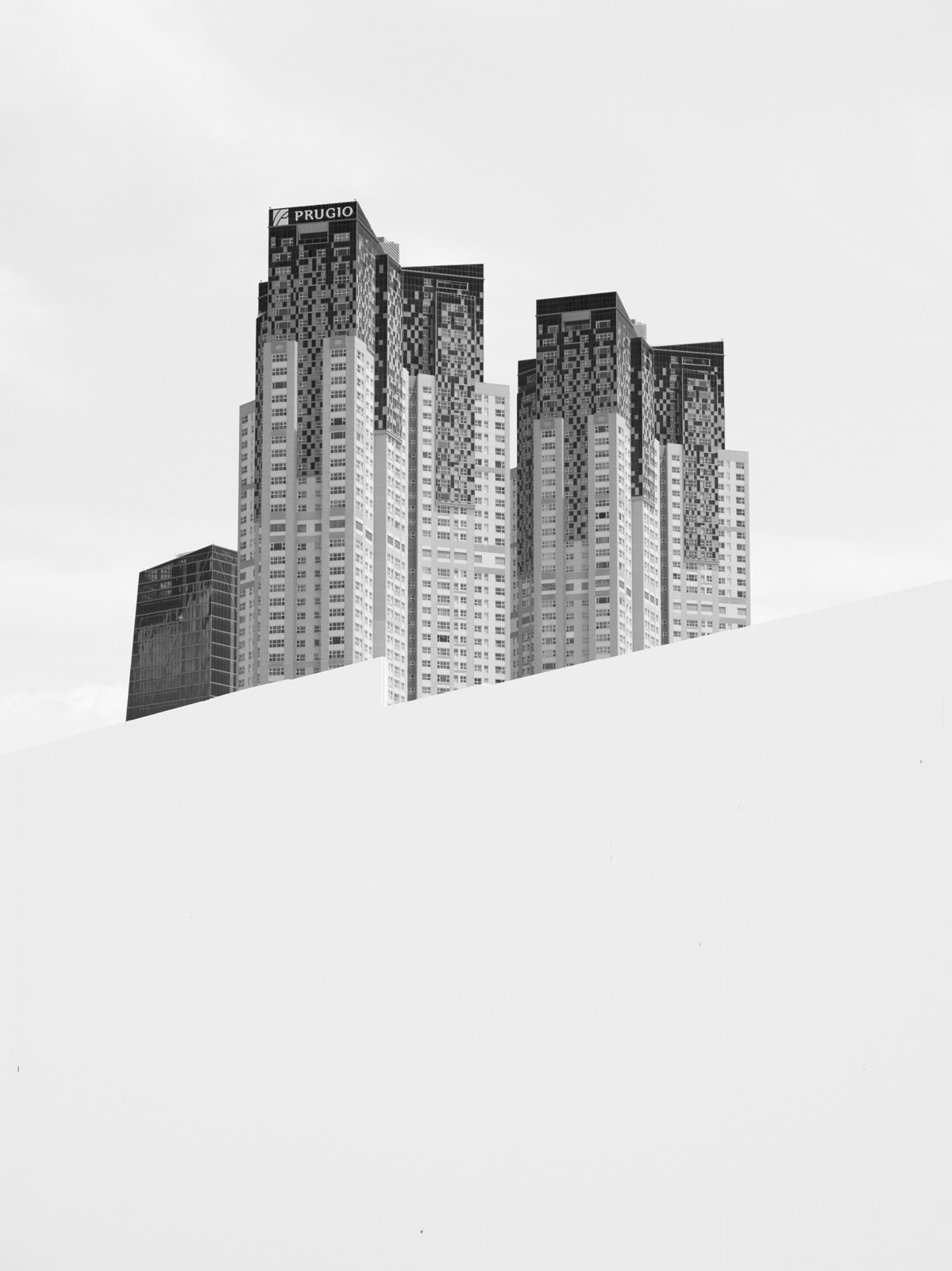
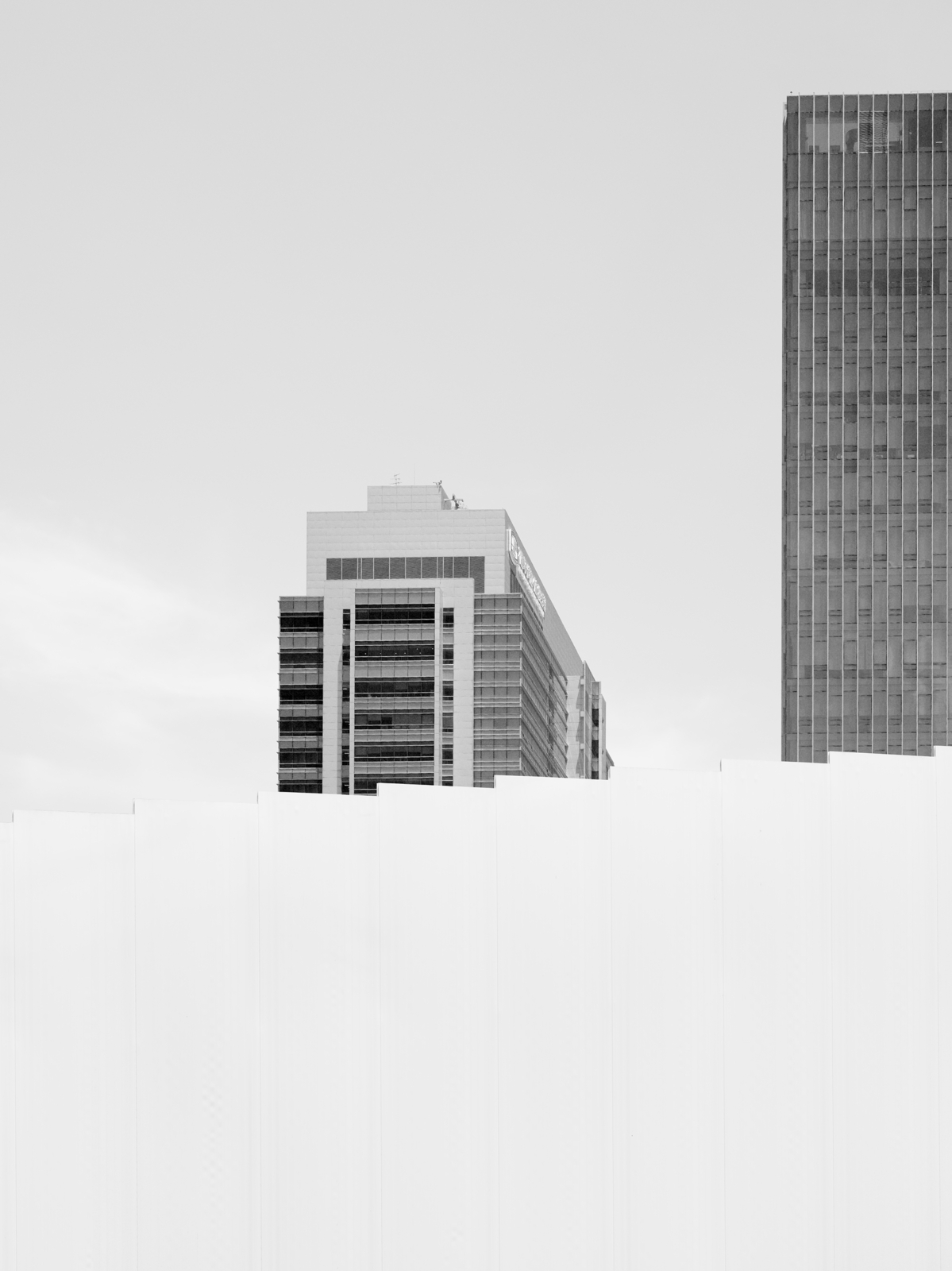
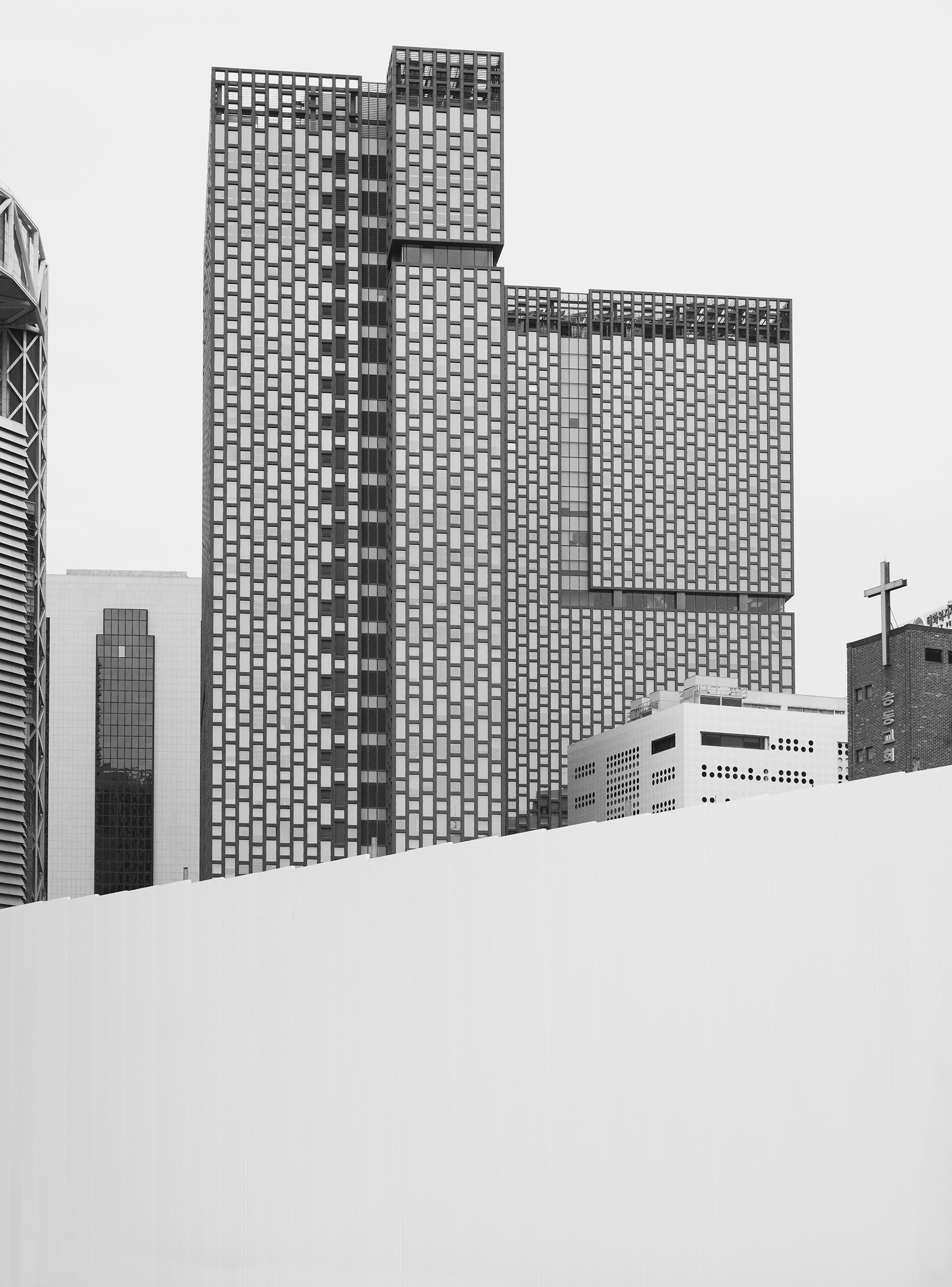
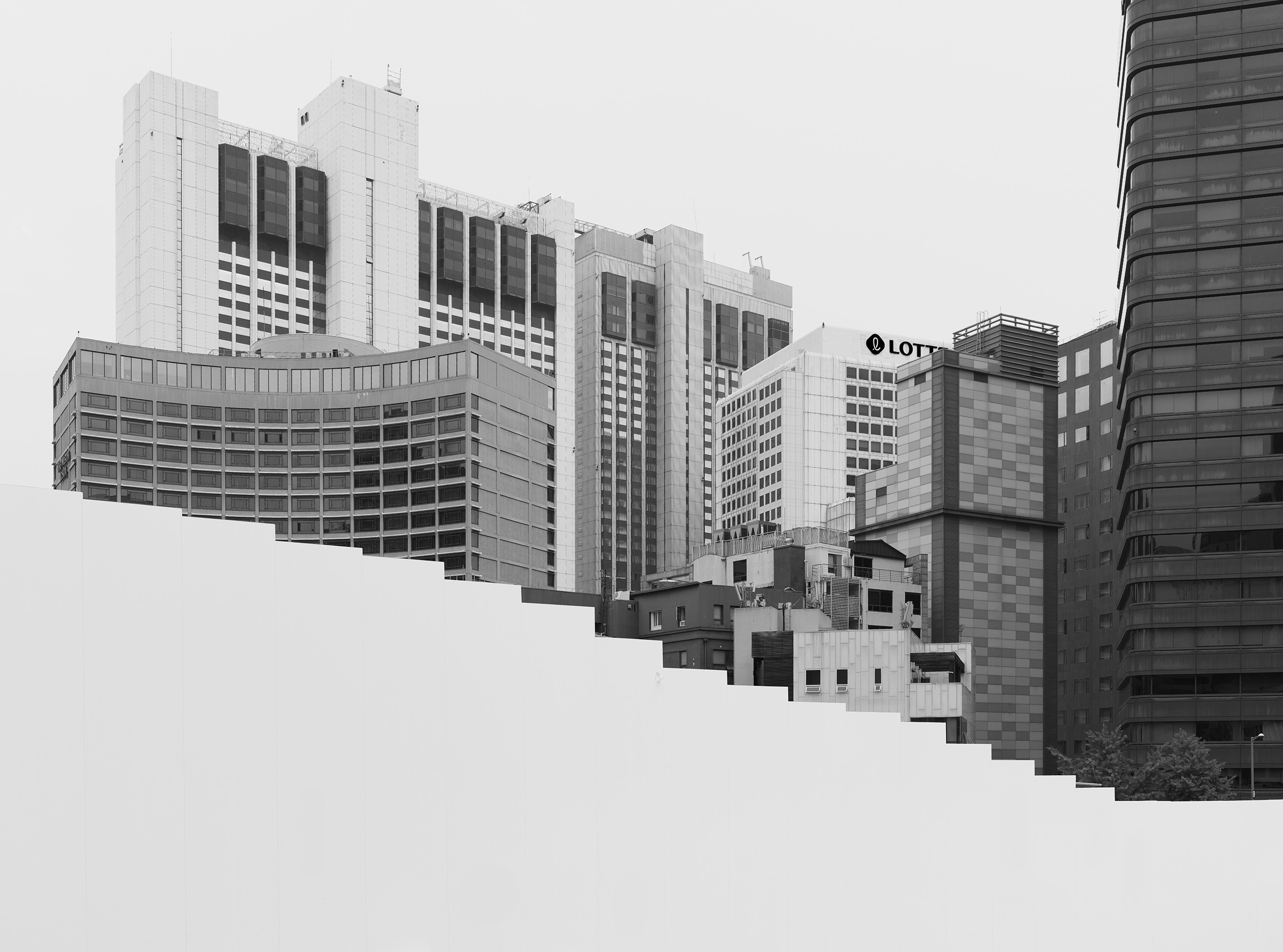
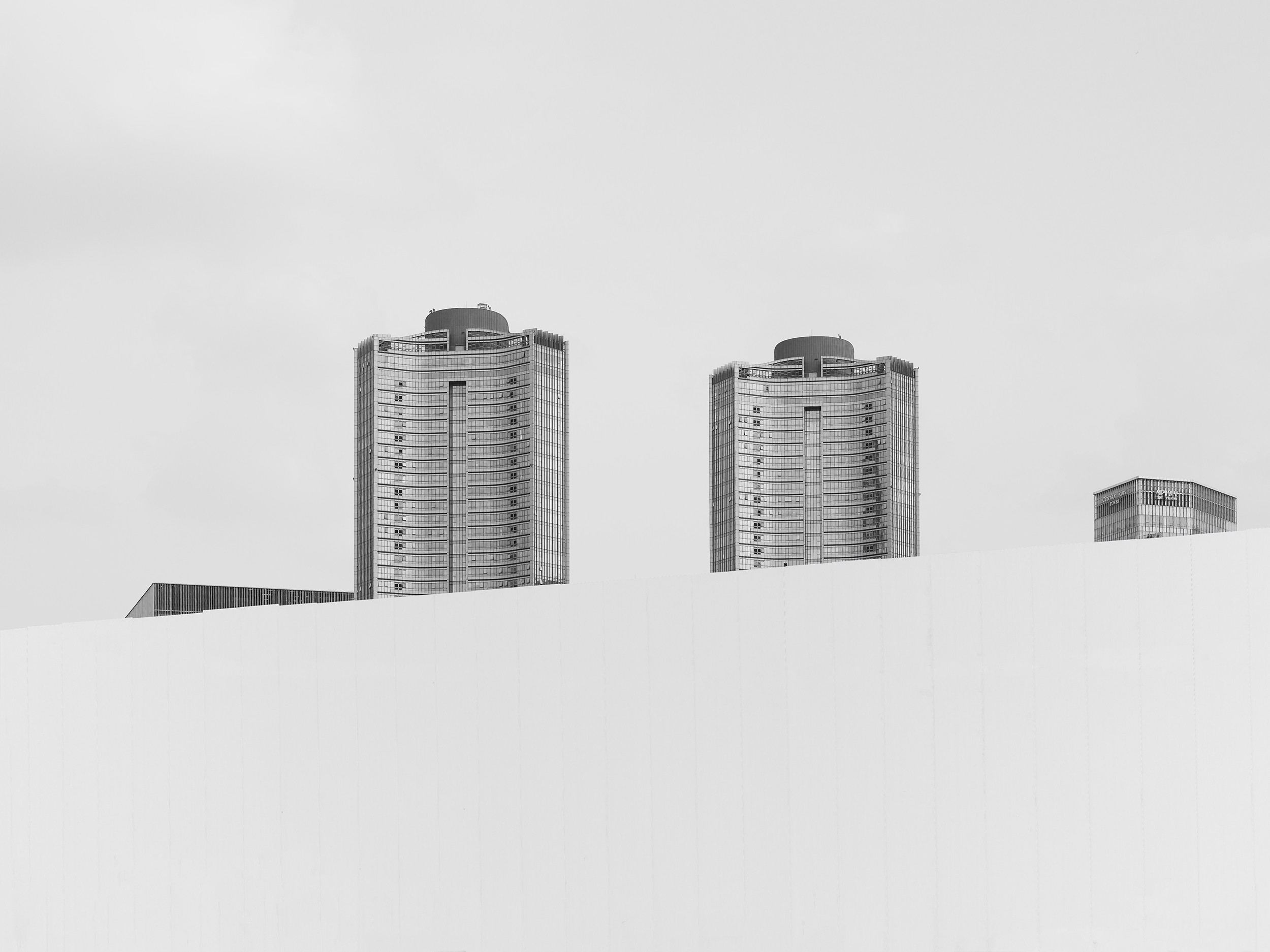
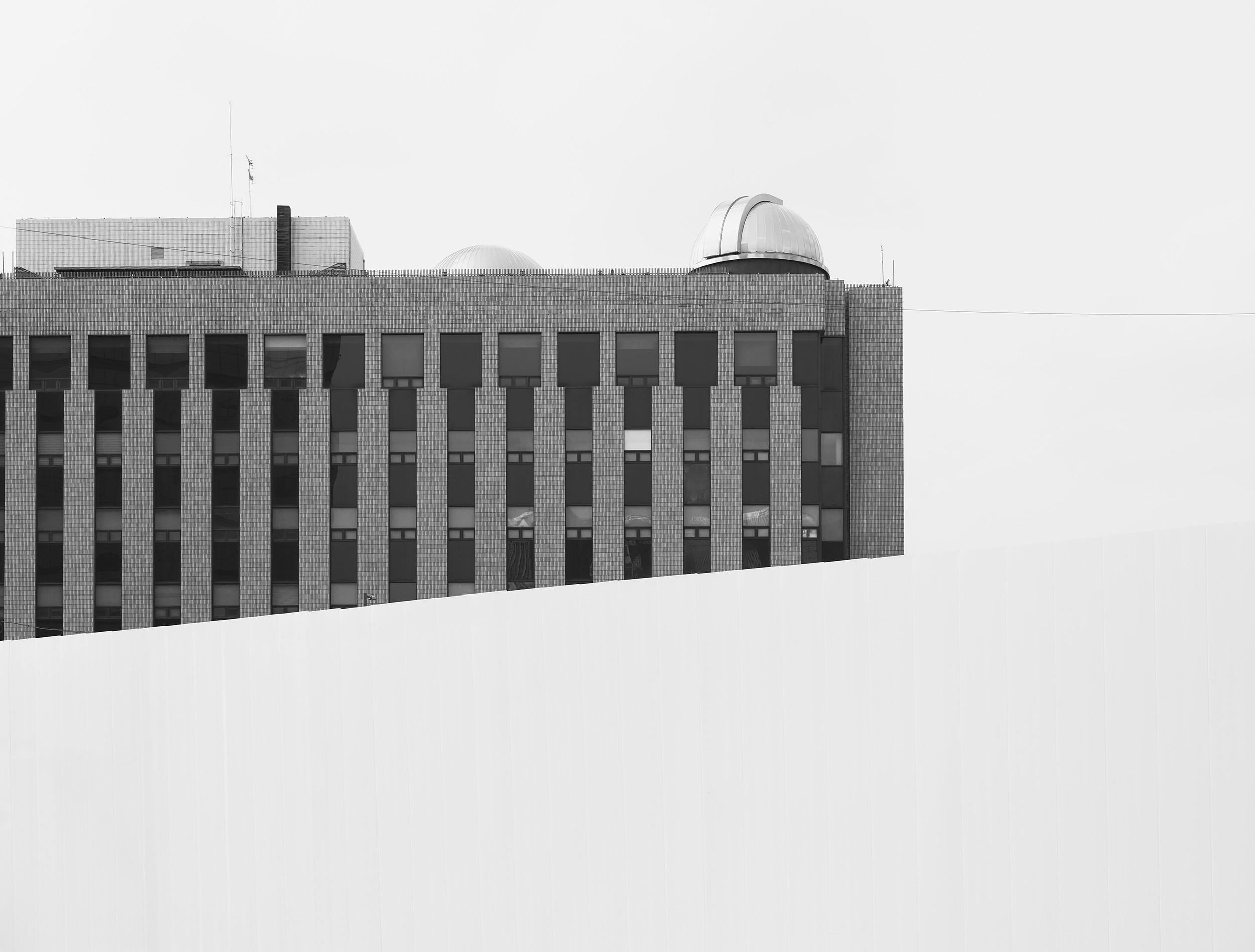
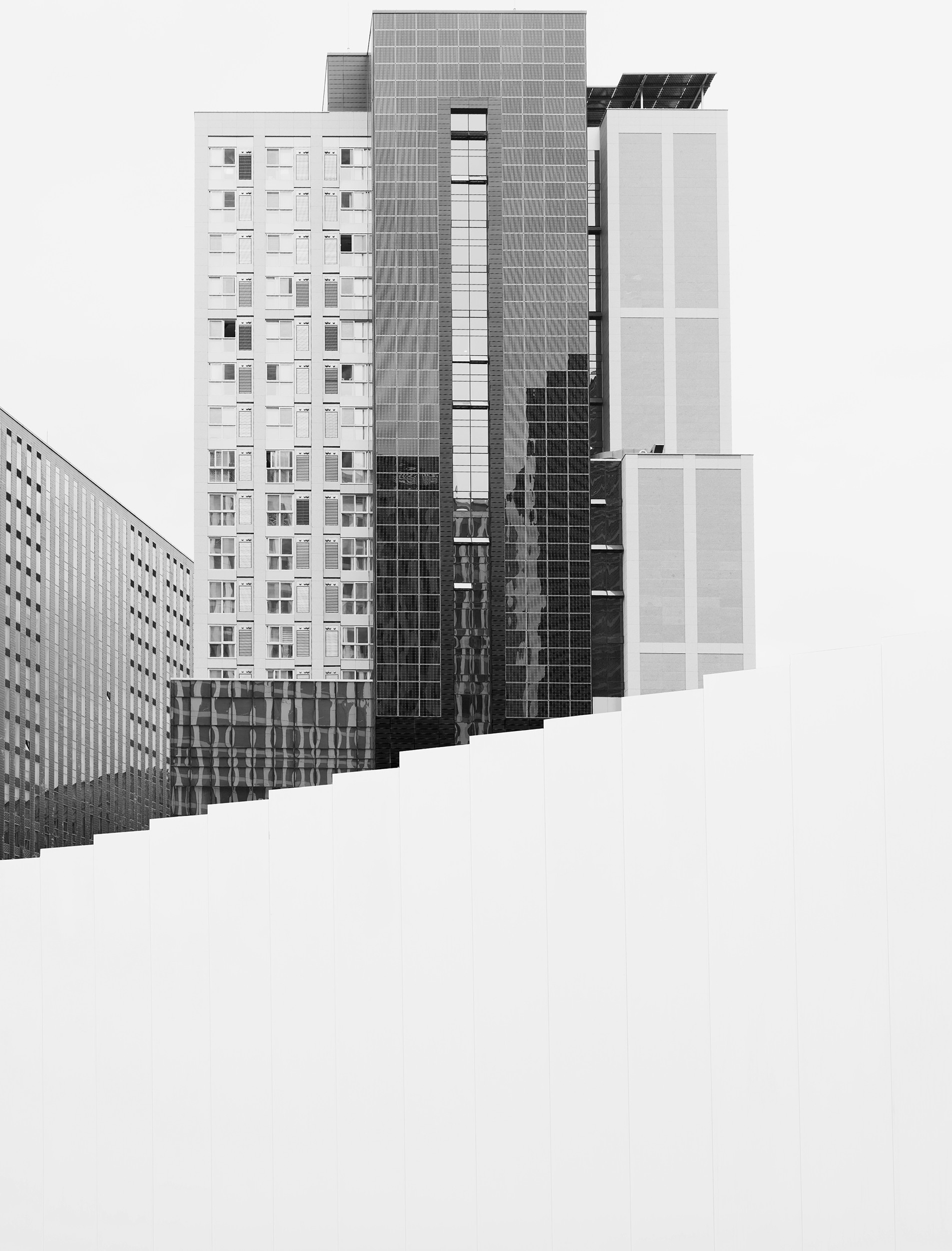
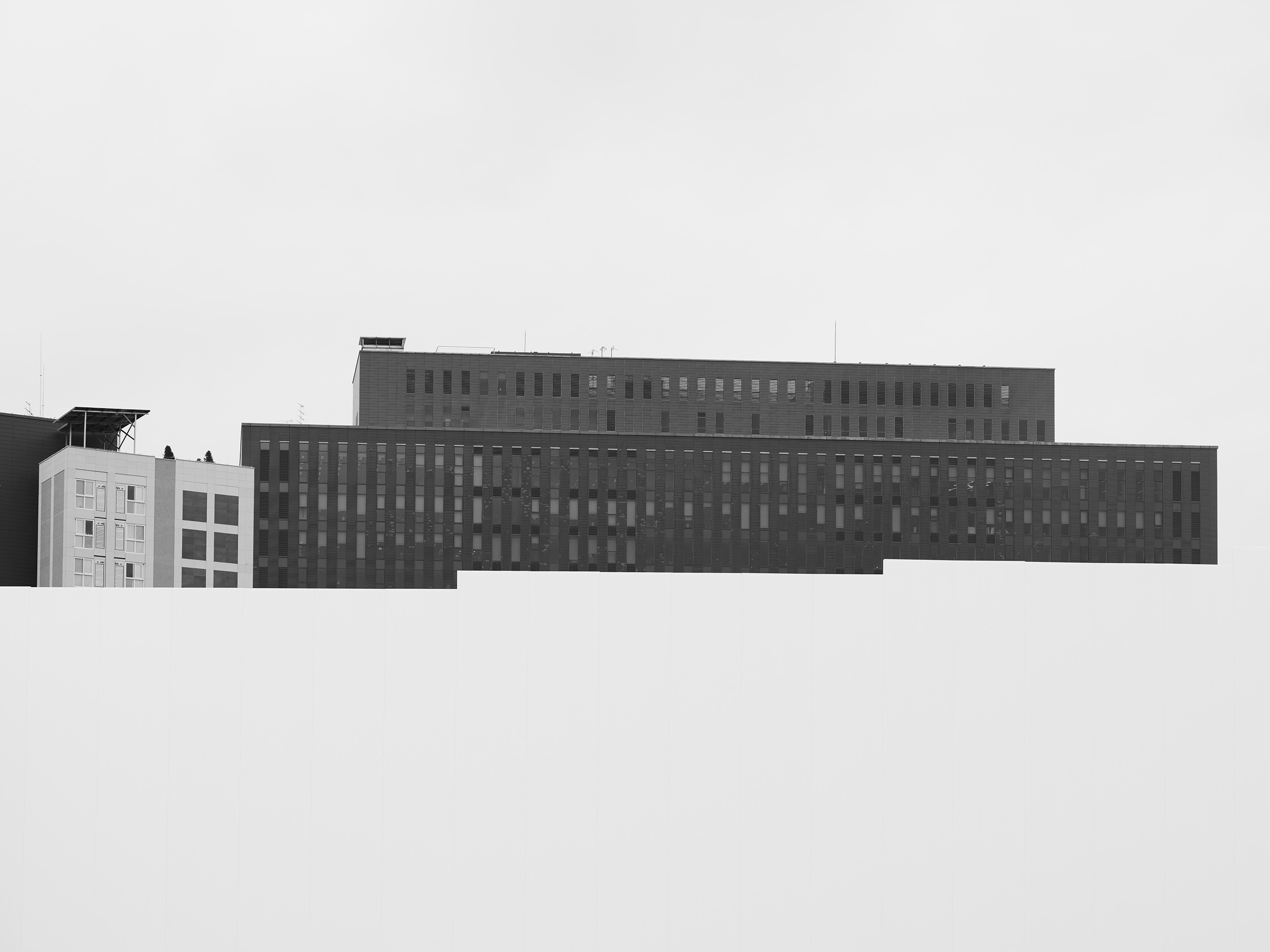
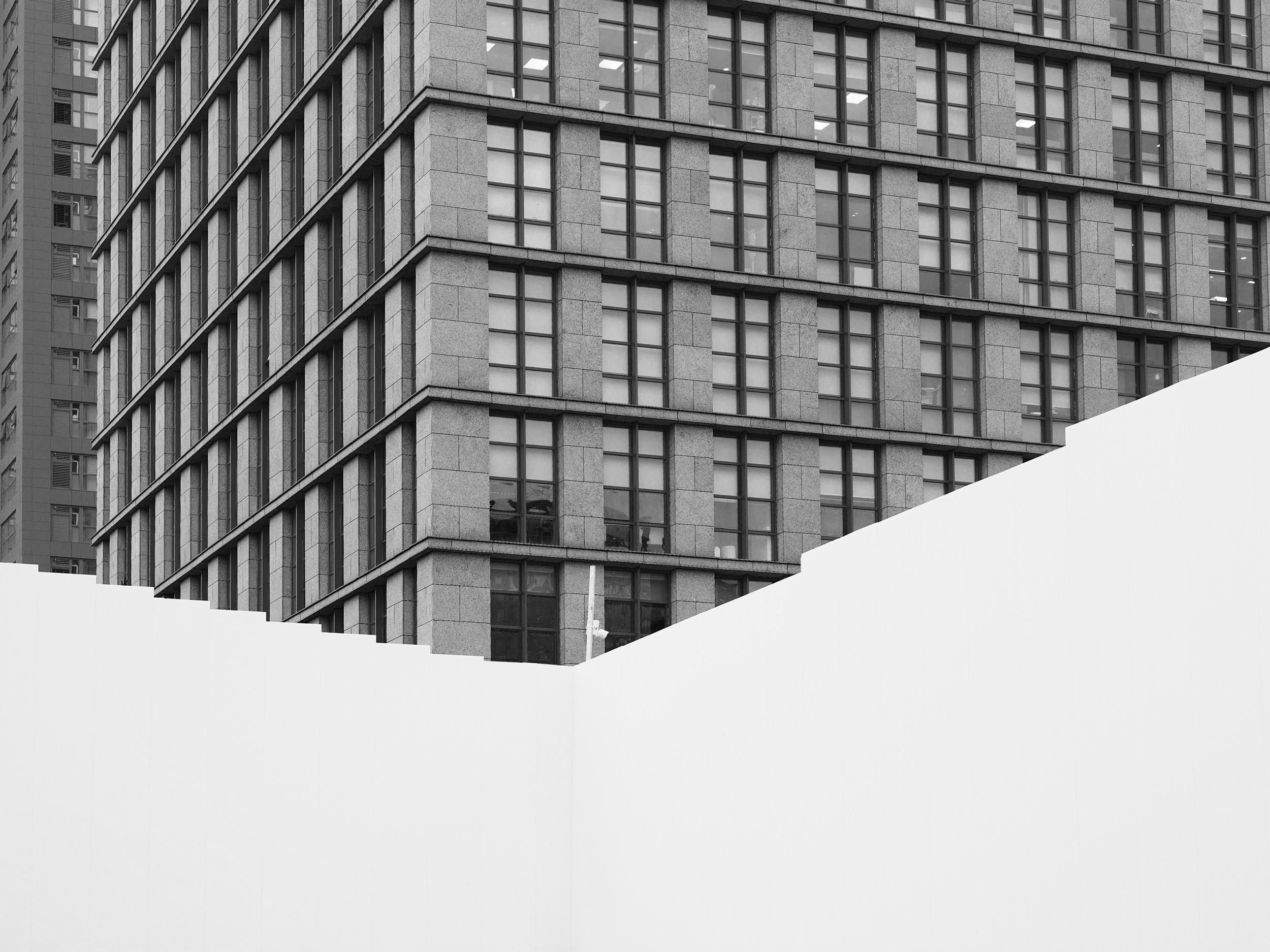
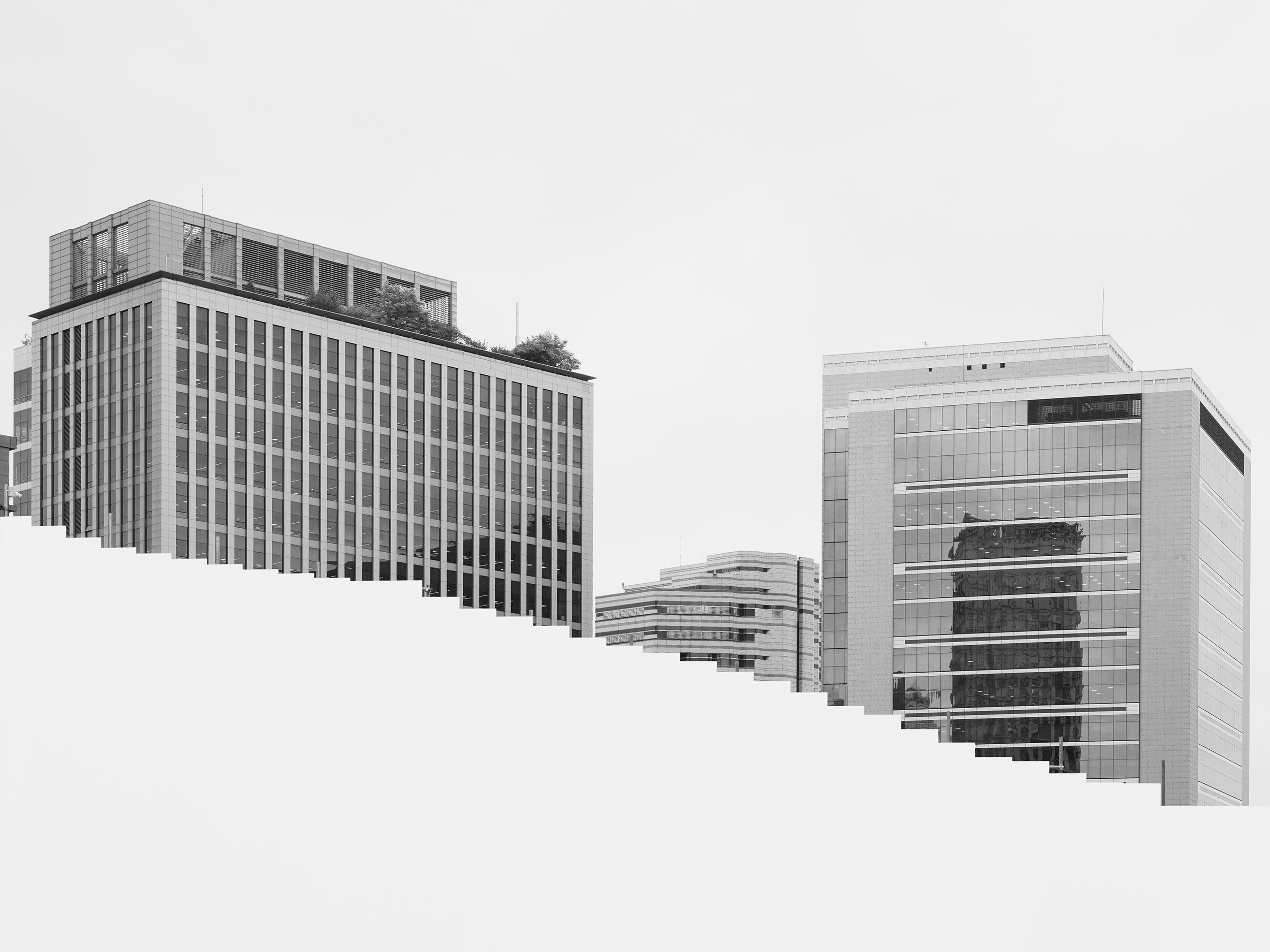
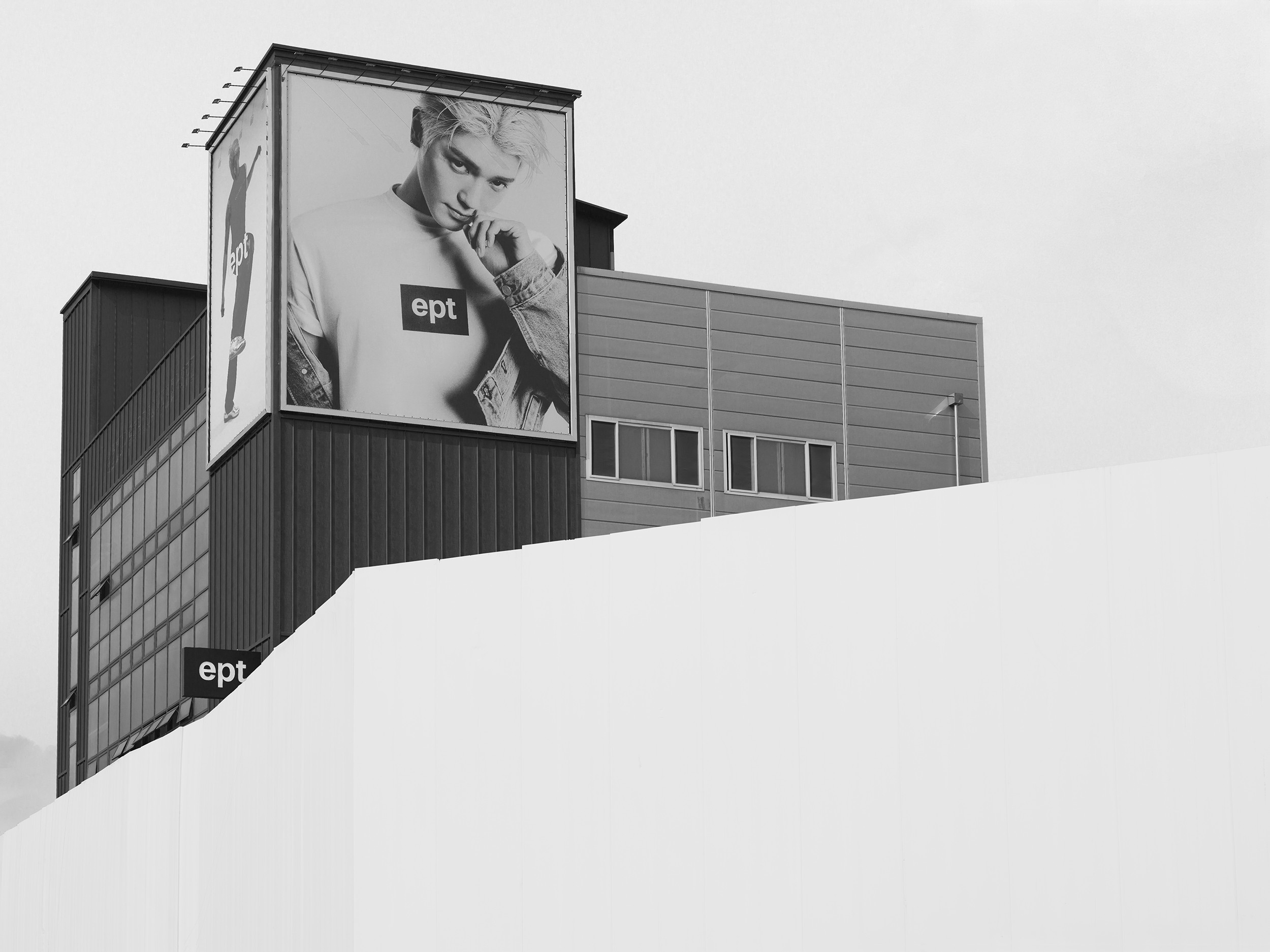
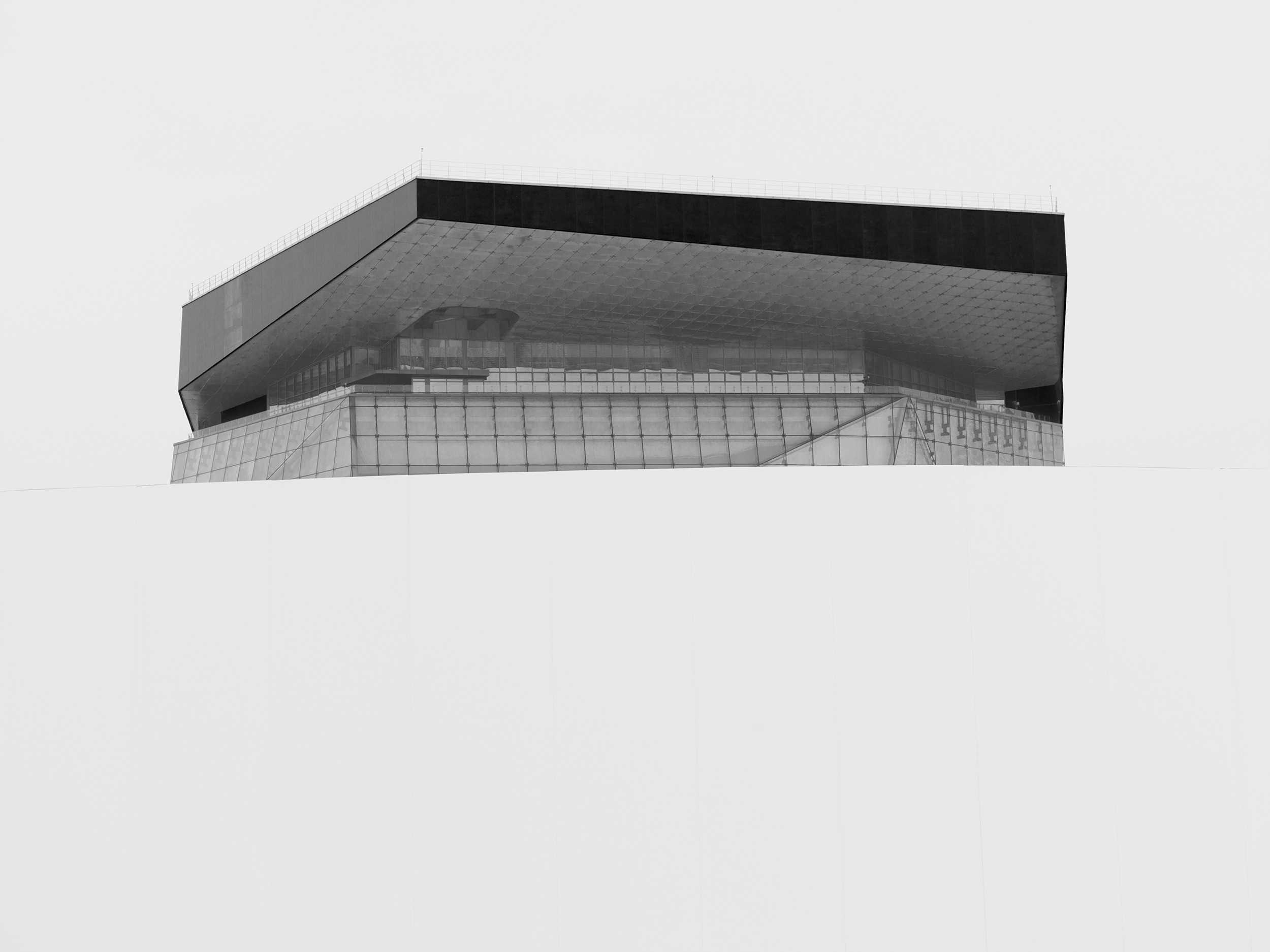
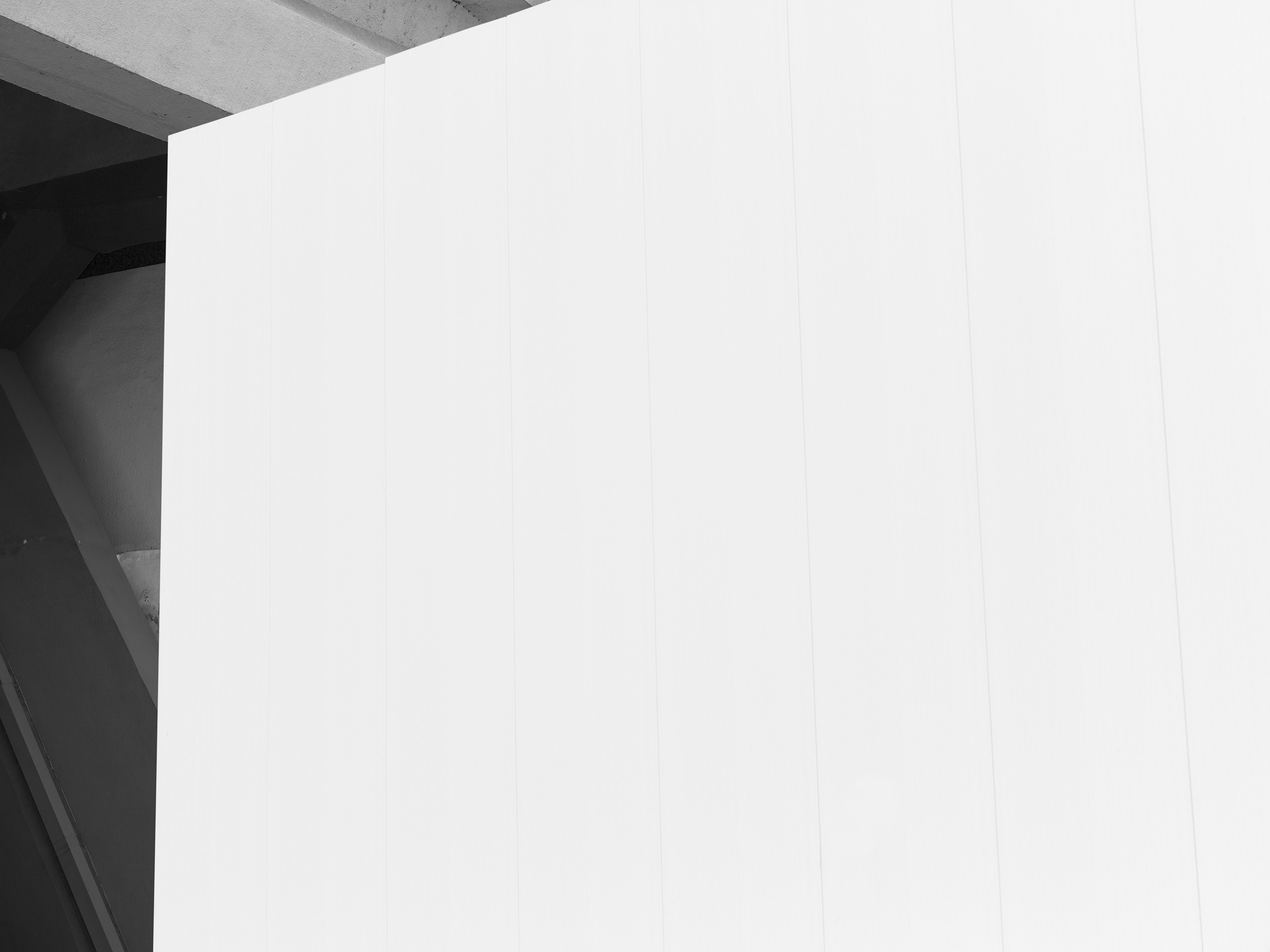
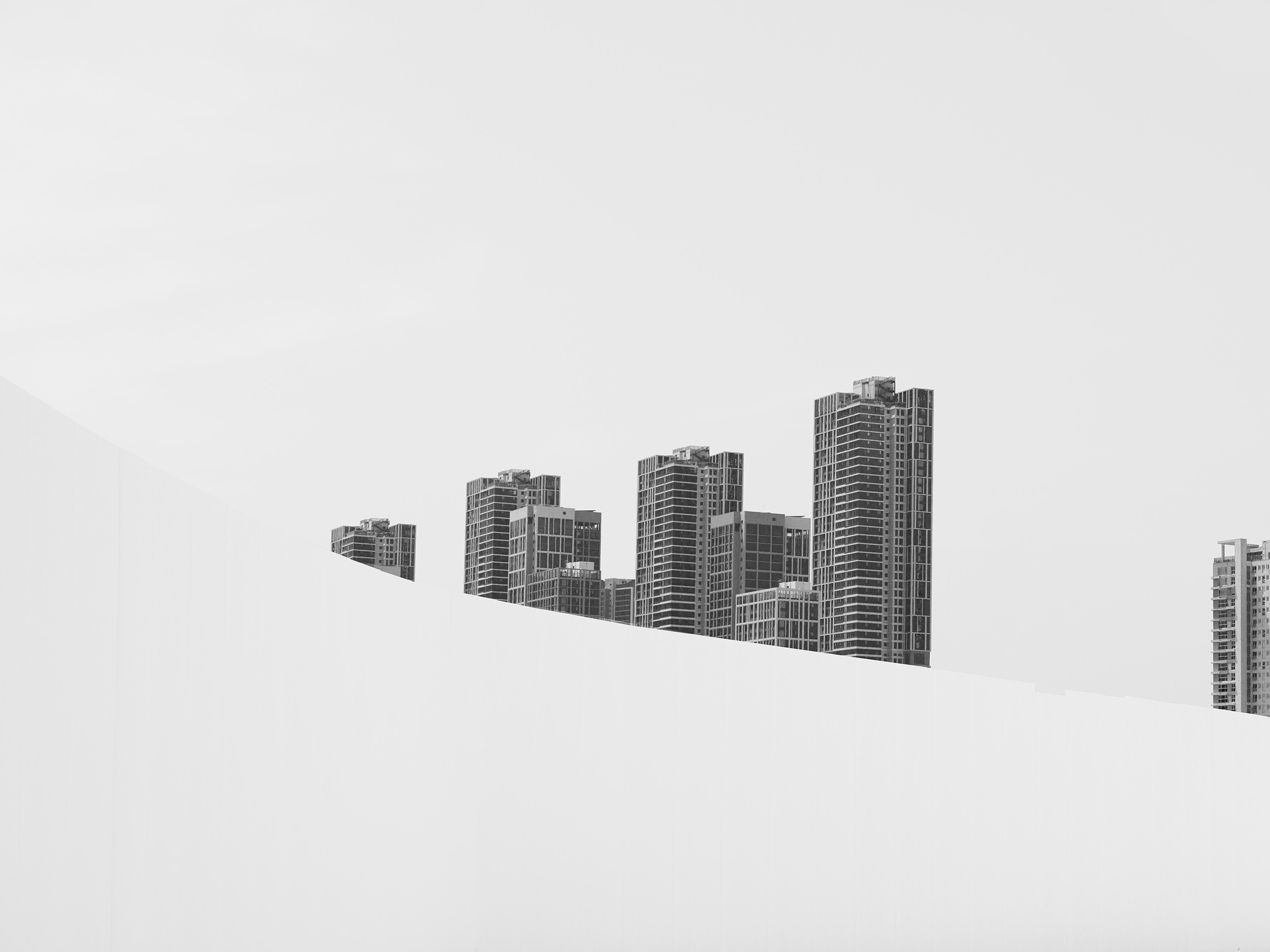
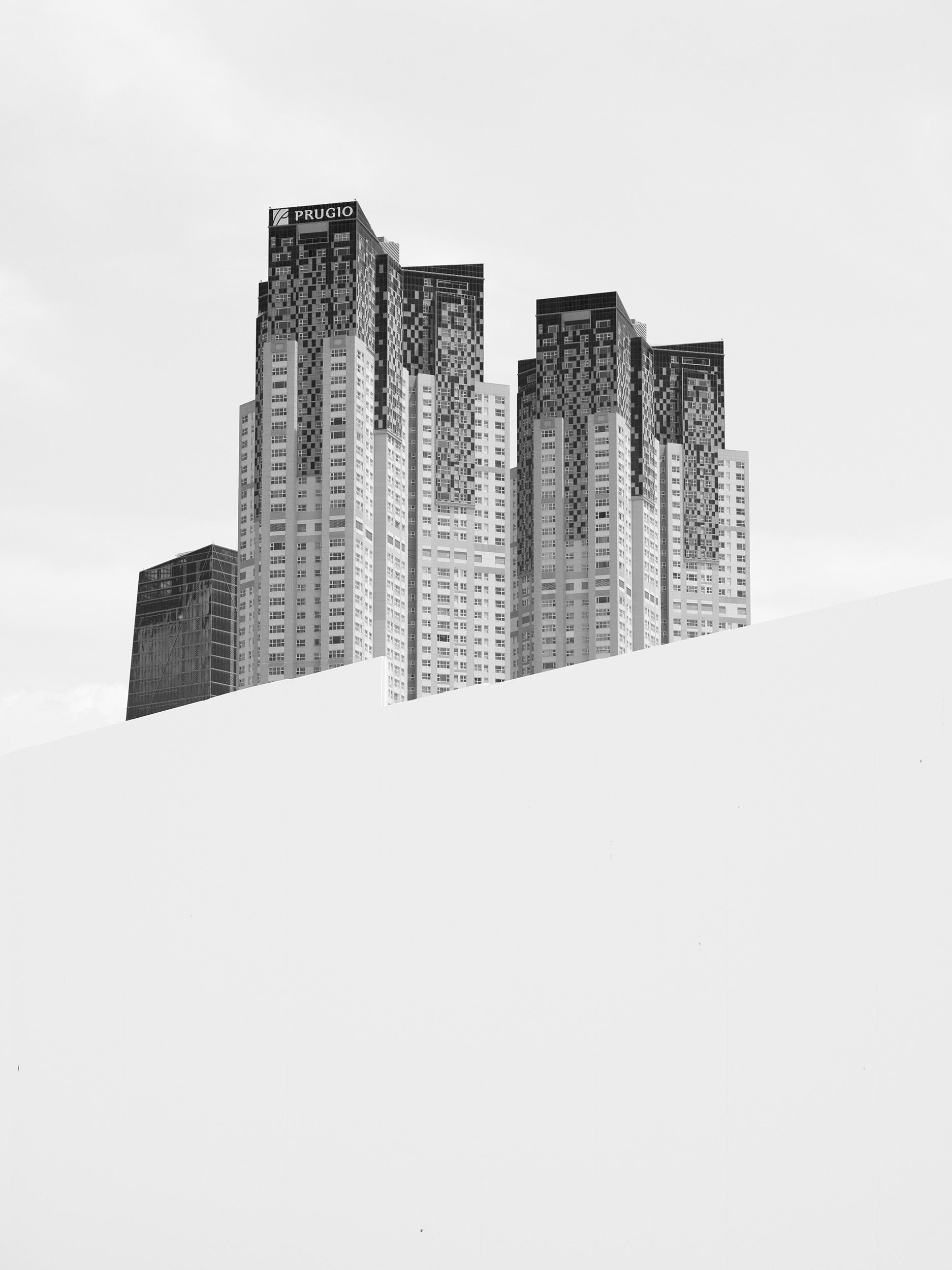
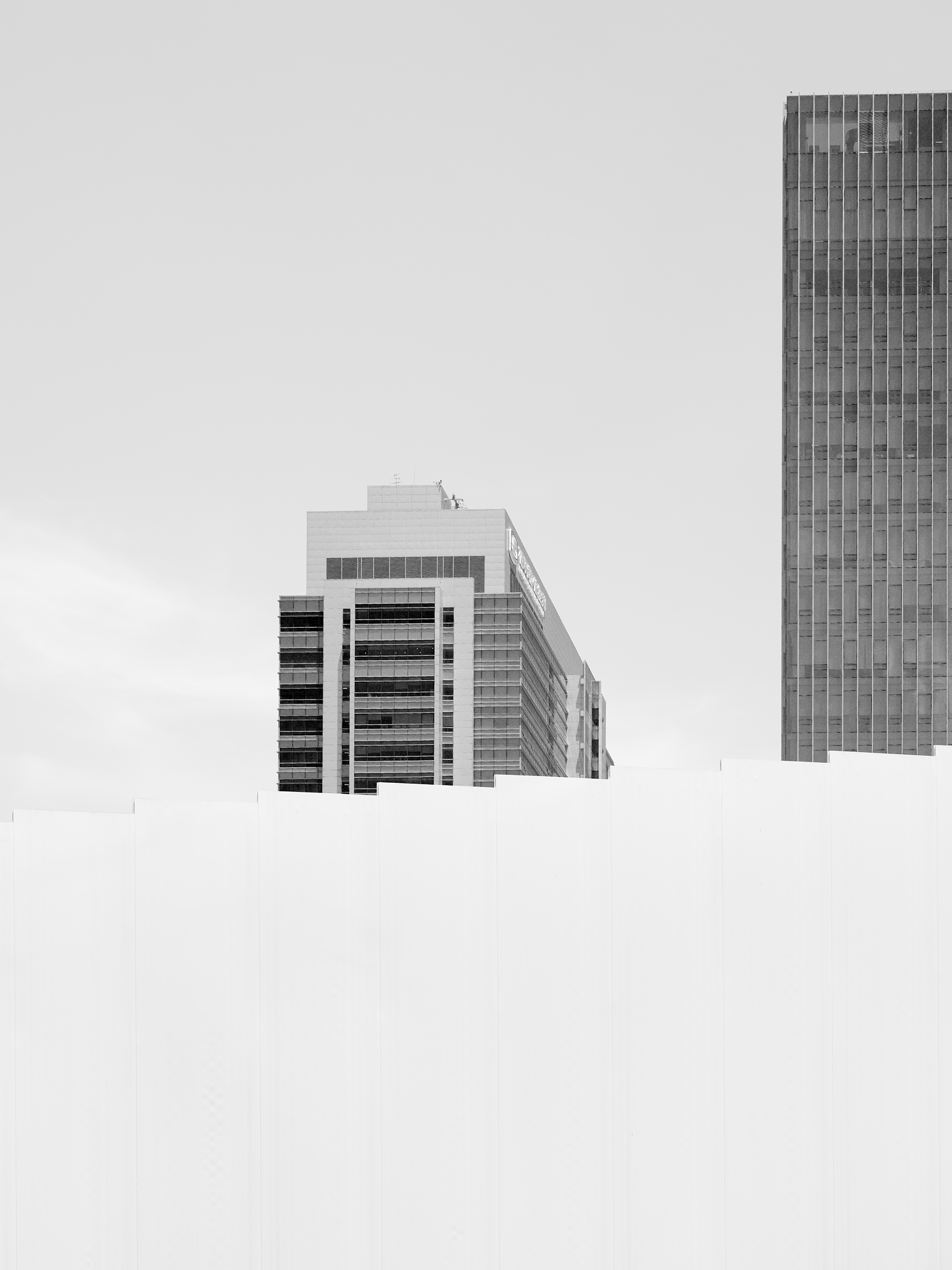
under-construction (2026) examines the construction-site wall as a spatial and temporal boundary. It separates the accessible urban space from architecture in the process of becoming, while at the same time determining what of it can be seen.
Above the white surfaces, high-rises and façades appear only in fragments. The architecture is obscured, cropped, and fragmented; its spatial presence gives way to an interplay of surface and depth. The construction-site wall thus becomes a defining element of the image itself: it not only conceals, but also shapes the way the city is seen.
What is actually unfinished remains invisible. Instead, the visible city itself appears as a provisional structure—between what exists and what is yet to come, between the visible and the concealed. under-construction understands the city not as a finished state, but as something that is continually being reconfigured.